Your dining room seats forty. It's full on Friday, thin on Tuesday, and dead at three in the afternoon — the exact hour a Doral office manager is deciding where to order lunch for twenty-five people. That order averages $420. You never see the request, because as far as Google, ezCater, and that office manager are concerned, your restaurant doesn't cater. You do. You just never told anyone.
Catering and private events are the most underworked revenue line in independent hospitality. The same kitchen, the same recipes, the same staff — batched into orders that carry higher margins and far larger tickets than a single cover ever will. This is the playbook for turning that idle capacity into a second income stream, built specifically for Florida independents.
The math
ezCater's 2025 operator data puts the average catering order at $420 — up 12% year over year — feeding an average of 25 people. For context, that single order is worth more than ten typical dine-in checks, and it lands with one delivery instead of forty seatings. High-value workplace orders above $3,000 are a growing share of the mix, and 60% of corporate orderers said they planned to increase their food spend in 2025.
The channel is not a rounding error. The National Restaurant Association estimates catering accounts for roughly 10% of total US restaurant industry revenue, and nearly three-quarters of all restaurant traffic now happens off-premise. Most tellingly: ezCater found that restaurants running an active catering program grew overall revenue 5.1% from 2023 to 2024, against a 3.3% industry average. The catering line didn't just add sales — it lifted the whole business.
The margin logic is simple. A catering order is prepped in batch, sold at a per-head price set in advance, and delivered without tying up a table or a server for two hours. You leverage the kitchen, the health permit, and the salaried manager you already pay for. The caution — and it is real — is off-site event catering, where transport, chafing equipment, and staffing can erode 8 to 15 margin points if you price it like dine-in. The playbook below keeps you on the profitable side of that line.
Why Florida indies specifically
Two things make this channel unusually rich in South Florida, and unusually neglected by the independents best positioned to own it.
First, the corporate corridors. Doral, Brickell, Aventura, and the Gainesville medical-and-university cluster concentrate exactly the buyer catering platforms are built for: office managers with recurring meal budgets and no time to cook. Return-to-office pressure has made food the number-one workplace perk, and 43% of organizations now run a recurring meal program. That's not one order — it's a standing weekly line item, and it tends to go to whichever nearby restaurant is easy to find and easy to order from.
Second, celebration culture. A Cuban quinceañera, a Venezuelan christening, a Middle Eastern engagement party, an Italian family's Sunday gathering — these are large, high-ticket, food-centered events, and the families throwing them overwhelmingly prefer an independent kitchen that cooks the food the way home does over a banquet hall's generic tray. Add wedding-and-snowbird season stacking demand from November through April, and the independent Florida restaurant sits on a catering opportunity the chains can only approximate. The problem is almost never capability. It's visibility and packaging.
The playbook
1. Make catering findable in the three places people actually look
Turn on the "Catering" attribute in your Google Business Profile — it's a checkbox most owners have never opened, and it surfaces you in "catering near me" searches. Build one dedicated page on your site at /catering (not a buried paragraph on the menu page) with packages, per-head pricing, minimums, and an inquiry form. Then list on ezCater or a comparable marketplace to capture the corporate demand that never searches for you by name. Three surfaces, one afternoon of setup.
2. Productize into two or three packages — never a blank quote
The fastest way to kill a catering inquiry is to answer "it depends." Buyers want to compare and decide in one email. Offer a small menu of fixed packages — for example a Office Lunch at a set price per head, a Celebration Spread for family events, and a Premium Event tier — each with a clear headcount minimum, a per-person price, and exactly what's included. Productizing also protects your margin, because you've priced the batch deliberately instead of discounting under pressure.
3. Chase the recurring corporate order, not just the one-off
The single highest-value move in catering is converting a one-time office order into a standing weekly one. When a corporate order comes in, follow up personally: offer a recurring slot, a small volume incentive, and a named contact. One Brickell office lunch every Wednesday at $420 is $21,000 a year from a single relationship — worth more than most of your Yelp traffic combined.
4. Systematize fulfillment so catering never breaks service
Set a firm lead-time policy (48 hours for standard orders), a cutoff on same-day requests, and a delivery window that doesn't collide with your lunch rush. Decide your packaging — labeled, stackable, travel-safe — before the first order, not during it. The restaurants that lose money on catering are the ones improvising it in the middle of a Friday service. The ones that make money treat it as a scheduled, separate production run.
5. Ask for the catering-specific review and referral
A great catering experience is the most referable thing you do, because the buyer's whole office or family just ate your food and asked who made it. Close every order with two asks: a review that mentions catering by name (it trains Google and reassures the next corporate buyer), and a simple "who else in your building orders lunch?" Catering referrals compound faster than any other channel because the buyers cluster — in the same office park, the same family, the same circle of event planners.
The pricing mistake almost everyone makes
The single fastest way to turn a promising catering line into a break-even chore is to price it off your dine-in menu. A $16 entrée on the table is not a $16 entrée in a catering tray. You've stripped out the drinks, the dessert upsell, and the table turn that made the dine-in check work — and if it's an off-site event, you've added transport, setup labor, and equipment that the table never carried.
Price per head, deliberately, from the batch cost up. A well-built package bakes in a margin floor before a single tray leaves the kitchen, so you're never negotiating your own profit away on the phone with a bride's mother. Set a delivery fee that covers the driver and the fuel, a setup fee for anything staffed on-site, and a minimum headcount that makes the production run worth firing up for. Buyers do not flinch at clear pricing. They flinch at a quote that arrives two days late and reads like a negotiation. The Cuban family planning a fifty-guest quince has a budget and a date; they are choosing between you and the banquet hall on ease and trust, not on shaving three dollars a plate.
One more discipline: track catering as its own line in your books. If it lives inside "food sales," you will never know whether the channel is carrying its weight, and you'll make the two classic errors — under-pricing the orders that lose money and under-chasing the corporate accounts that print it. A separate line turns catering from a favor you do for regulars into a business you run on numbers.
What good looks like
A tight catering package reads like this:
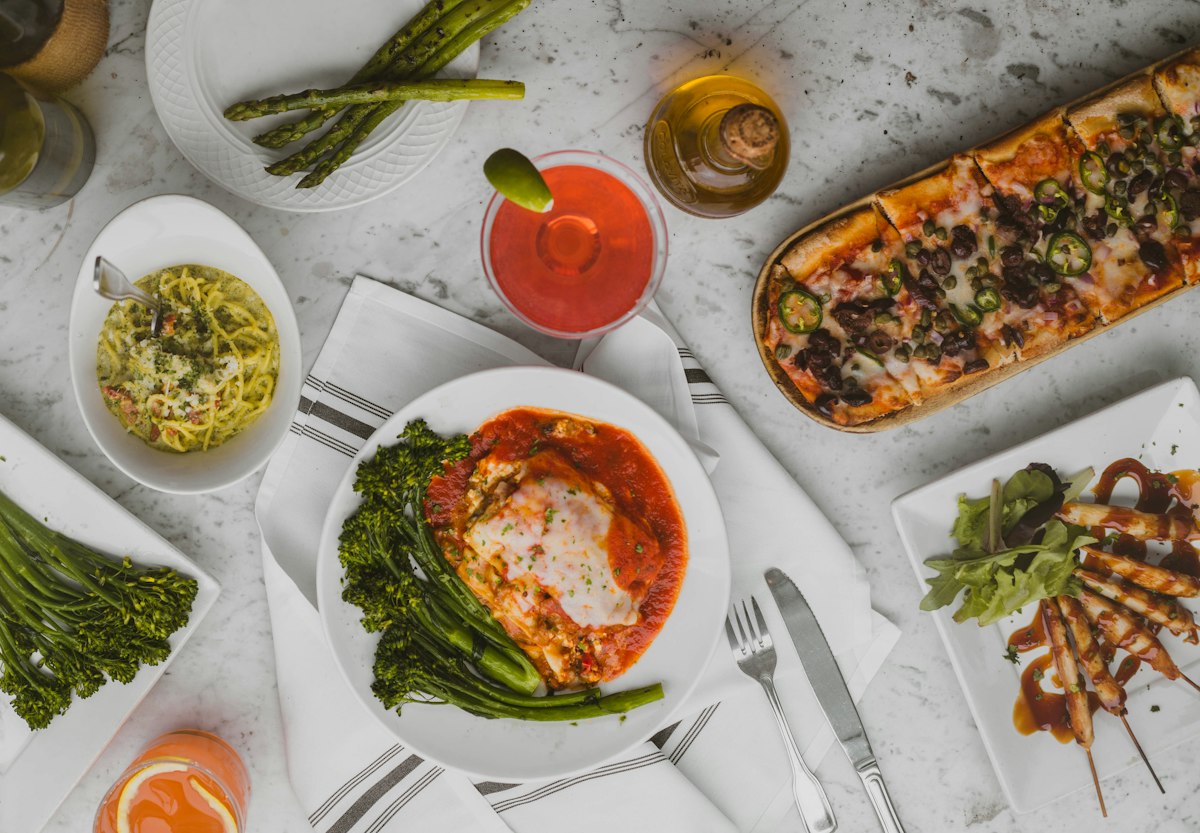
Office Lunch — $18/person, 10 person minimum. Choice of two mains, one salad, bread, and dessert. Delivered and set up. 48-hour notice. Serves your whole floor without a single decision left to the day-of.
A catering inquiry auto-reply should never leave a buyer waiting:
"Thanks for thinking of us for your event. Our three packages and pricing are attached. Reply with your date, headcount, and any dietary needs, and I'll confirm within the hour. — Mikhail"
And a Google Business Profile post that plants the flag:
"Now catering across Doral and Brickell — office lunches, family celebrations, and private events. Fixed packages, 48-hour notice, delivered and set up. Get a quote in one reply."
None of this requires a new kitchen, a new hire, or a marketing budget. It requires deciding that catering is a product you sell on purpose, then making it findable and easy to buy.
Start with what you already have
You have the kitchen, the recipes, and the idle hours. What you're missing is the checkbox, the page, and the packages — and those are a single afternoon of work standing between you and a channel that lifts the entire business by 5%.
If you want to know exactly where your restaurant is invisible to catering buyers right now — which attributes are off, which pages are missing, where a corporate orderer looks and doesn't find you — we'll map it for you. Request a free five-page audit. You'll have it in 48 hours, with no sales call.