- $200,000: Estimated annual revenue increase for restaurants that significantly improve their customer experience (CX) design.
- 2026: The projected year by which consumer expectations for seamless dining experiences will be non-negotiable.
- 5: The number of key CX components identified as critical for restaurant success in South Florida.
Important update for South Florida operators: Recent shifts in consumer expectations, amplified by the unique economic landscape of Doral and surrounding Miami-Dade County, are directly impacting your eatery's bottom line. An outdated or indifferent customer experience (CX) design is no longer just a minor oversight; it’s a critical operational vulnerability.
The Design-CX Blind Spot in South Florida
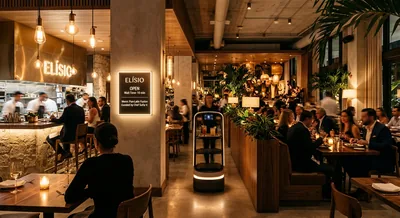
Across Miami-Dade County, particularly in bustling hubs like Doral and its commercial corridors near NW 87th Ave, consumer demand for seamless, memorable dining experiences is at an all-time high. However, many hospitality venues are failing to adapt. The 'design-CX' aspect of your establishment—how the physical space, digital touchpoints, and staff interactions are orchestrated to create delight—is often overlooked in favor of menu innovation or price wars. This is a grave error. Consider the rapid evolution of dining preferences post-pandemic, coupled with the sophisticated tastes of residents and tourists in areas like Brickell and Wynwood. These patrons expect more than just good food; they demand an intuitive, engaging, and emotionally resonant journey from the moment they consider visiting your establishment to long after they’ve left.
What is the average food cost percentage for Miami restaurants in 2026?
While specific projections vary, industry experts anticipate that by 2026, maintaining a food cost percentage between 28% and 35% will remain a critical benchmark for profitability in the competitive Miami restaurant market.
Understanding the South Florida Culinary Landscape
The South Florida hospitality scene, from the suburban accessibility of Doral to the vibrant energy of Little Havana, is intensely competitive. Success hinges not just on delicious cuisine but on a holistic customer journey. Factors such as the Florida DBPR regulations regarding service standards, the high cost of operations in Miami-Dade County, and the seasonal influx of tourists all necessitate a robust and adaptable CX strategy. Failing to invest in the intentional design of your customer experience leaves your F&B operation vulnerable to competitors who are prioritizing this crucial element. This isn't about aesthetics alone; it's about operational efficiency and the psychological impact of a well-designed experience on customer loyalty and spend.
Key CX Components Affecting Your Establishment's Success:
- Arrival & Ambiance: First impressions are critical. Is the exterior welcoming? Is the interior design cohesive with your brand and comfortable for your target demographic? This extends to parking availability and ease of entry, especially vital in denser areas like Doral.
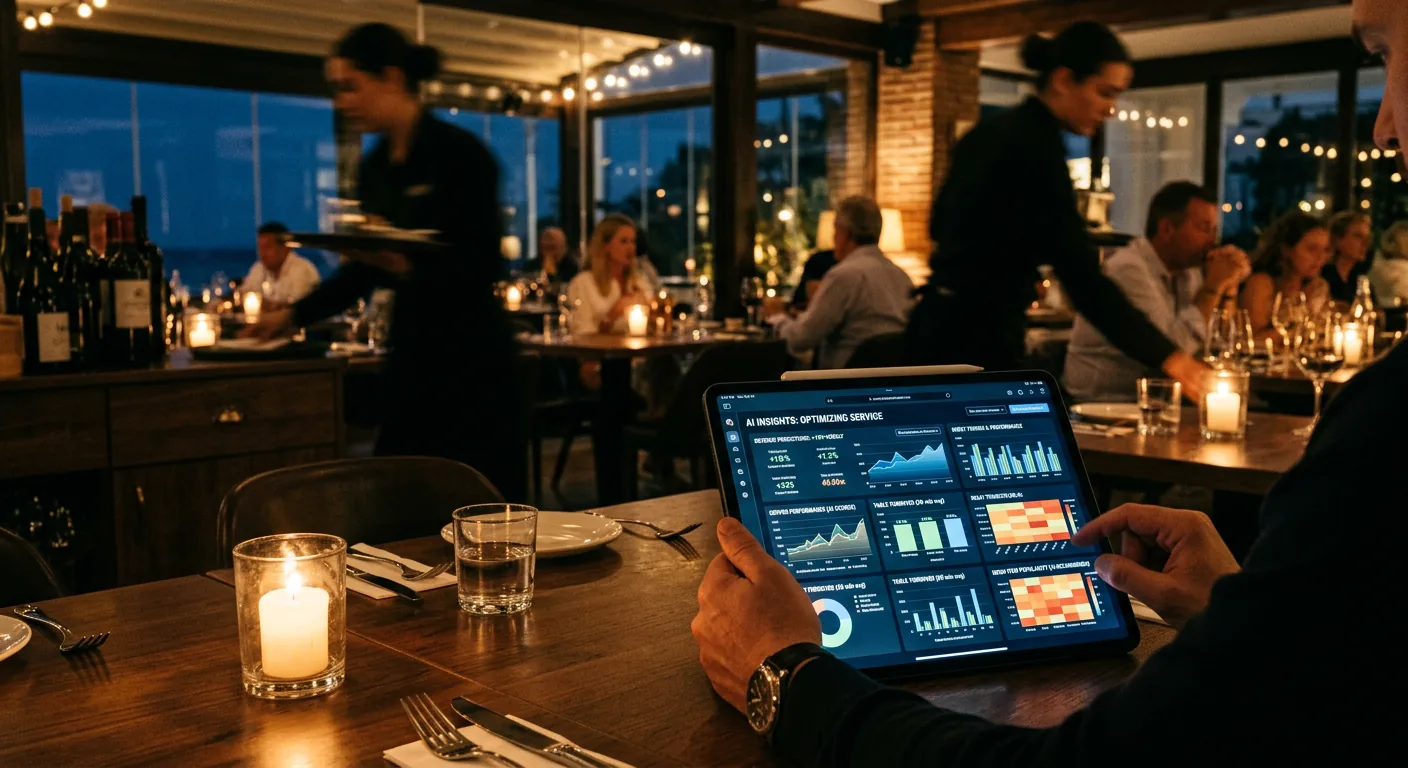
- Service Flow & Staff Interaction: From reservation systems to table service and payment processing, every touchpoint should be frictionless. Are your staff trained not just to serve but to engage and anticipate needs?
- Digital Presence & Convenience: Online ordering, reservation portals, and even your social media interaction are extensions of your physical space. An clunky website or unresponsive online channels can deter potential guests before they even step foot in your eatery.
- Sensory Engagement: Beyond taste, consider the scent, sound, and visual appeal of your dining concept. The right music, lighting, and even the presentation of the tableware contribute significantly to the overall experience.
- Departure & Follow-up: The final moments matter. Is the payment process smooth? Do you have a system for gathering feedback or encouraging repeat visits? A well-designed exit leaves a positive lasting impression.
3 Steps You Must Take Tomorrow:
- Conduct a 'Guest Journey Audit' with Real-Time Feedback Tools: Implement a simple, digital feedback mechanism accessible via QR code at the table, or train hosts to verbally solicit brief feedback upon seating. Utilize tools like SurveyMonkey or a basic Google Form to capture immediate impressions of the arrival, seating, and initial service. This provides crucial, real-time data on how your guests *actually* experience your establishment, especially relevant for dining concepts along the busy NW 87th Ave corridor in Doral where foot traffic is constant.
- Review Your Digital Booking & Ordering Platform for Usability: Log in to your online reservation system and ordering portal from the perspective of a new customer. Is it intuitive? Are there hidden fees or confusing steps? Partner with a local Miami-based web developer or a specialized platform like OpenTable or Toast for an expert review to identify and rectify any friction points that might be driving potential customers to competitors.
- Observe and Refine Staff Interaction Protocols: Schedule a brief, in-person observation session during peak hours. Note how your service staff greets guests, takes orders, and handles any issues. Are they empowered to resolve minor guest complaints? Consider implementing a short, daily pre-shift huddle to reinforce service standards and communicate any recent CX observations to your team. Consult with a local hospitality training consultant in the Miami-Dade area to ensure your staff is equipped to deliver exceptional service that complements your brand.
How Boost My Spot Can Help:
At Boost My Spot, we specialize in transforming the operational and experiential aspects of South Florida's F&B businesses. We go beyond generic advice to provide data-driven strategies specifically tailored for the Miami-Dade market. From optimizing the physical layout of your Doral eatery to streamlining digital guest journeys and enhancing staff training for seamless service, we are committed to elevating your restaurant's customer experience and driving sustainable growth. We understand the unique challenges and opportunities within this dynamic region.
FAQ
Q: What are the most common customer experience mistakes South Florida restaurants make?
South Florida eateries often overlook the initial arrival experience and the clarity of digital ordering platforms. Additionally, inconsistent staff training across diverse teams and failure to leverage sensory elements beyond taste are frequent pitfalls that negatively impact guest satisfaction in competitive markets like Doral.
Q: How can a restaurant in Doral improve its physical space design for better customer experience?
A restaurant in Doral can improve its physical space by focusing on intuitive traffic flow, comfortable seating arrangements that align with its dining concept's brand identity, and appropriate lighting and acoustics to create the desired ambiance. Ensuring accessibility and incorporating local Florida aesthetics where appropriate can also significantly enhance the guest's perception of the venue.