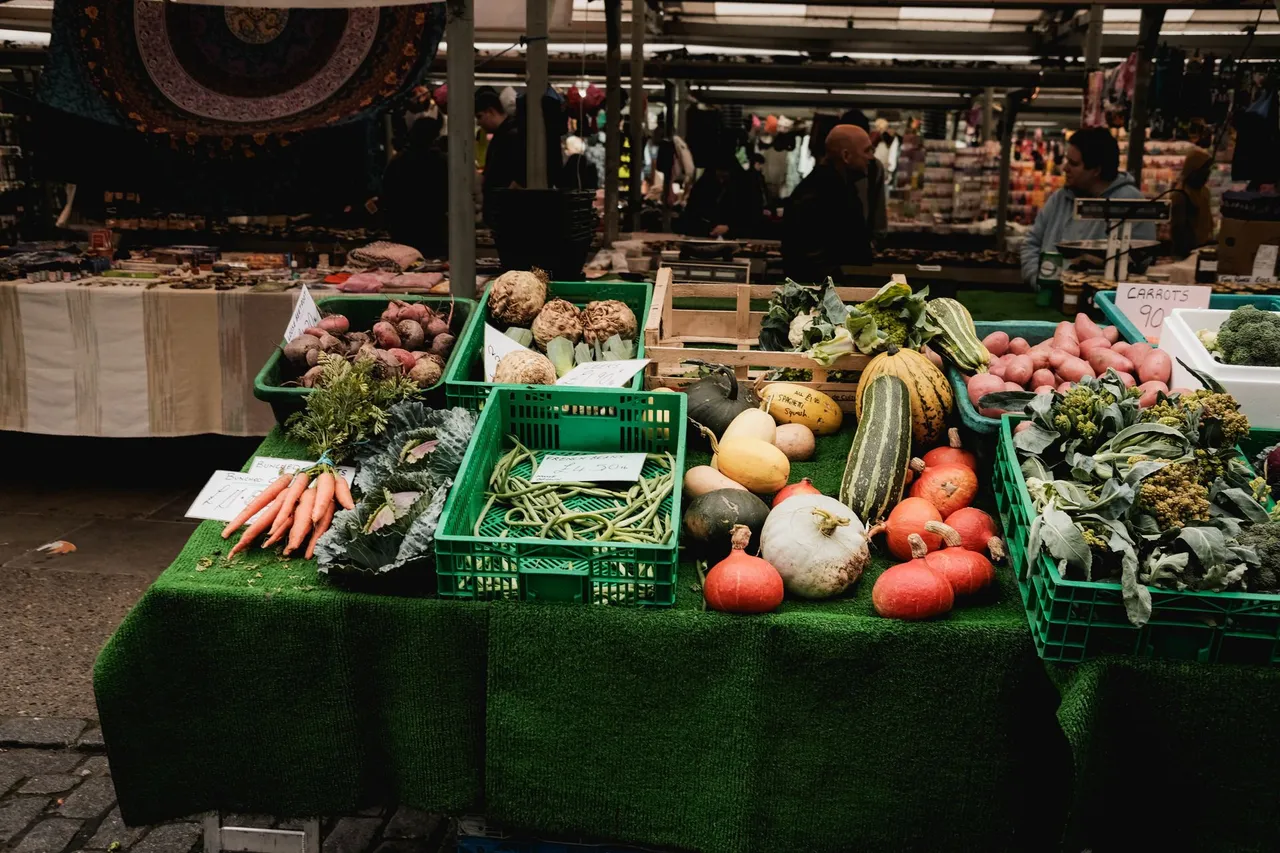
Your product beats the supermarket's. Your listing usually doesn't.
A small farm competes on something a chain can't copy: you picked it this morning, the honey came from those hives, and the eggs come from the birds customers can see from the stand. Nobody needs convincing once they're there.
Getting them there is the problem. A customer searches "fresh eggs near me" or "raw honey Gainesville" on a Saturday morning and gets a map. If your farm isn't on it, or it's on it with the wrong hours and a photo of a field, they go to the store. Meanwhile, the orders that do come in arrive as Instagram messages, and a few of them get lost every week.
The fix isn't a marketing campaign. It's a short list of unglamorous things done right and kept current through the season. Most of them are free, and all of them are checkable.
Six things, in the order they usually matter.
A profile that knows when you're open
Most farm listings on Google say "open" at nine on a Tuesday because nobody told Google otherwise. A stand that runs Saturdays, a u-pick that opens for six weeks, a market stall that moves: each one needs hours Google can trust. Otherwise, the first thing a visitor learns about you is that the map was wrong.
The product, not the farm
People search for raw honey, fresh eggs, pasture-raised chicken, or strawberries near them. Almost nobody searches for a farm by name until they already know it. Every product you sell needs its own page, its own listing, and its own photo, written in the words buyers actually type.
A review window that lasts the whole season
A store can collect reviews all year. A grower has ten weeks. So we build the ask into the harvest: at the stand, on the receipt, and in the follow-up. One season leaves you with a year's worth of recent reviews, and your profile doesn't go quiet from December to May.
Direct orders that don't get lost
Orders that arrive as Instagram messages, texts, and Facebook comments are orders somebody will miss. We build you a simple storefront that takes the order, shows what's in stock this week, and tells the customer where to pick it up. No marketplace takes a cut of a jar of honey.
Market days and agritourism, listed where people search for them
People search for farmers markets, u-pick, farm tours, and seasonal events in bursts, and the bursts are predictable. Your pages and listings should be live before the season starts, not written in the middle of it.
One record of the farm, everywhere
The stand address, the market stall, the mailing address, and the field are often four different places. Google, the market's website, the county tourism board, and your own site all need to agree on which one a customer should drive to.
Two pieces of groundwork sit underneath all of this: your Google Business Profile and local search. It's the same work we do for any business with an address, with a farm's calendar laid over it.
Two farms in North Central Florida, two different problems.
Jensen's Honey
A family honey farm selling raw honey. We built the site, the storefront, and the Google profile, and we run the ongoing search and social work. Now people searching for honey find the honey, not only people who already know the name.
Visit the site →Ducky's Farm
A no-spray farm with artisan foods and a food truck. We built a site that shows what's actually available this week, takes the order, and tells the customer where to find the truck, plus the Google groundwork underneath.
Visit the site →The longer write-ups, with what was broken and what we did, are on the work page.
How we think about it, written out.
This covers vegetable and fruit farms with a stand or a u-pick, honey farms and beekeepers, egg and poultry producers, dairies and creameries, and nurseries and plant growers. It also covers small-batch makers who sell preserves, baked goods, hot sauce, or cheese at markets and online, and farms that host farm-to-table events and agritourism.
The common thread is a product people search for by name and a place they have to drive to. If that describes you, your industry matters less than your calendar.
We'll tell you what a customer sees before they drive out.
A five-page look at your site, your Google profile, your product listings, and how your farm shows up in search and AI answers. Two days, no sales call, no cost.
Get your free auditOr email us. We work in English, Spanish, Russian, Italian, and French.